Medical Malpractice Lawyer Springdale, AR

Hire the best Medical Malpractice Lawyer in Springdale, AR.

SERVICE

Why Choose MGW Law Partners for Springdale Medical Malpractice Case?

When individuals seek medical treatment, they place trust in doctors, nurses, hospitals, and healthcare providers to deliver safe and competent care. In most situations, healthcare professionals provide careful and responsible treatment. However, when medical mistakes occur and preventable injuries result, the consequences can affect patients and their families for years.
 
If you or someone you love experienced serious harm due to a medical error, speaking with a medical malpractice lawyer in Springdale, Arkansas may help clarify your legal rights and potential options.
 
MGW Law Partners represents individuals throughout Northwest Arkansas who have been harmed by negligent medical treatment. Medical malpractice claims often involve complex medical records, expert review, and detailed investigation into how a patient’s injury occurred.
 
Understanding how Arkansas law approaches medical malpractice claims can help injured patients determine whether negligence may have played a role in their situation.

What Is a Medical Malpractice Lawyer?

Steps-to-Consider-if-You-Suspect-Medical-Negligence
A medical malpractice lawyer helps individuals who have been harmed by negligent medical treatment pursue compensation under civil law. These attorneys investigate medical errors, review hospital records, consult medical experts when necessary, and determine whether healthcare providers failed to meet accepted standards of care.
 
Medical malpractice attorneys may handle cases involving doctors, hospitals, surgical centers, and other healthcare providers whose actions may have contributed to preventable injuries.

Key Facts About Medical Malpractice Claims in Arkansas

R

Medical malpractice is a form of professional negligence involving healthcare providers.

R

Arkansas law generally provides two years to file a medical malpractice lawsuit.

R

Expert medical testimony is often required to establish negligence.

R

Hospitals, physicians, nurses, and medical facilities may all potentially be liable.

R

Compensation may include medical expenses, lost income, and other damages.

Understanding Medical Malpractice

Medical malpractice occurs when a healthcare provider delivers treatment that falls below the accepted standard of care and a patient is injured as a result.
 
Healthcare providers are expected to act with the level of skill and care that reasonably competent professionals would use under similar circumstances. When these standards are not followed and the patient suffers harm, legal liability may arise.
 
Not every medical complication qualifies as malpractice. Many treatments involve inherent risks, and some outcomes may occur even when providers act appropriately. However, preventable medical errors caused by negligence may give rise to a malpractice claim.

Examples of Medical Negligence

Medical malpractice can occur in many healthcare environments including hospitals, clinics, outpatient surgical centers, and emergency departments.
 
Examples of potential negligence include:
 
• failing to diagnose a serious illness
• performing an unnecessary procedure
• administering the wrong medication
• improper surgical technique
• failing to monitor a patient’s condition
• delayed treatment of a medical emergency

 
Determining whether negligence occurred typically requires review of medical records and analysis by qualified medical professionals.
Surgical-Mistakes

8 Types of Medical Errors That May Lead to Malpractice Claims

Medical negligence can take many forms. Some of the most frequently cited issues in malpractice claims include the following.

R

Diagnostic Errors

Failure to diagnose or delayed diagnosis may allow a medical condition to progress before treatment begins. Conditions frequently associated with diagnostic errors include:
 
• cancer
• stroke
• heart attack
• infections
• internal injuries
 
Early diagnosis is often critical to improving patient outcomes.
R

Surgical Mistakes

While surgery carries inherent risks, negligent surgical practices may result in serious harm.
Examples include:
 
• damage to surrounding organs
• wrong-site surgery
• retained surgical instruments
• unnecessary procedures
R

Medication Errors

Medication-related mistakes may occur when providers prescribe incorrect drugs or dosages.
Potential medication negligence includes:
 
• incorrect prescriptions
• failure to review patient allergies
• drug interaction mistakes
• pharmacy dispensing errors
R

Birth Injuries

Medical negligence during pregnancy or childbirth may result in injuries affecting both the child and mother.
Examples include:
 
• failure to monitor fetal distress
• delayed cesarean section
• oxygen deprivation during delivery
• improper use of delivery instruments
R

Anesthesia Errors

Mistakes involving anesthesia can result in serious complications, including brain injuries or cardiac events.
Anesthesia negligence may include:
 
• improper dosage
• failure to monitor patient vital signs
• equipment malfunction or misuse
R

Emergency Room Negligence

Emergency departments often treat patients in urgent and complex situations. Failure to properly evaluate symptoms or prioritize care may lead to preventable harm.

R

Hospital Negligence

Hospitals may be responsible for maintaining safe procedures and properly trained staff. Negligence may occur when:
 
• staff are inadequately trained
• safety protocols are ignored
• patient monitoring fails
R

Failure to Monitor Patients

Certain medical conditions require careful monitoring. When healthcare providers fail to recognize warning signs of complications, patient injuries may occur.

Warning-Signs-That-Medical-Negligence-May-Have-Occurred

Warning Signs That Medical Negligence May Have Occurred

While every medical situation is unique, several circumstances may suggest the possibility of negligence. These may include:


  1. symptoms repeatedly dismissed by healthcare providers
  2. unexpected complications following routine procedures
  3. incorrect medication or dosage errors
  4. delayed diagnosis of serious illness
  5. worsening medical condition without proper explanation
  6. surgical injuries that were not disclosed beforehand
  7. inadequate follow-up care
  8. hospital staff failing to respond to patient concerns

These signs do not automatically mean malpractice occurred, but they may warrant further investigation.
Doctor–Patient-Relationship

How Medical Malpractice Is Proven in Springdale Arkansas

Medical malpractice cases typically require establishing four key legal elements.

R

Doctor–Patient Relationship

A professional relationship must exist between the healthcare provider and the patient.

R

Standard of Care

The provider must have been obligated to follow accepted medical practices.

R

Breach of Duty

The provider must have acted in a way that violated the accepted standard of care.

R

Causation

The breach must have directly caused injury to the patient.

Because medical issues can be highly technical, expert medical testimony is often necessary to explain how negligence occurred.

Damages in Medical Malpractice Cases

Victims of medical negligence may seek compensation for the financial and personal harm caused by their injuries.
Potential damages may include:
• medical treatment costs
• future medical care
• lost wages
• reduced earning capacity
• physical pain and suffering
• permanent disability
In cases where medical negligence results in death, surviving family members may pursue compensation through a wrongful death claim.
 
Healthcare providers are expected to act with the level of skill and care that reasonably competent professionals would use under similar circumstances. When these standards are not followed and the patient suffers harm, legal liability may arise.
 
Not every medical complication qualifies as malpractice. Many treatments involve inherent risks, and some outcomes may occur even when providers act appropriately. However, preventable medical errors caused by negligence may give rise to a malpractice claim.

Healthcare Services in Springdale and Washington County

Springdale, Ar is located in Washington County and is one of the largest cities in Northwest Arkansas. The city sits between Fayetteville and Rogers and has experienced significant growth as the region continues to expand.
 
Residents of Springdale often receive healthcare services from several regional medical facilities, including:

Northwest Medical Center – Springdale

Washington Regional Medical Center

Mercy Hospital Northwest Arkansas

These hospitals provide care to patients from communities across Washington County and Benton County.
 
Nearby communities served by these healthcare facilities include:

• Springdale
• Fayetteville

• Rogers
• Bentonville

• Lowell
• Tontitown
As the region’s population increases, the demand for healthcare services continues to grow. While most providers deliver responsible care, medical mistakes can occur in any healthcare system.
 
Patients who believe they were injured due to negligent medical treatment may consider speaking with a lawyer to review their situation.
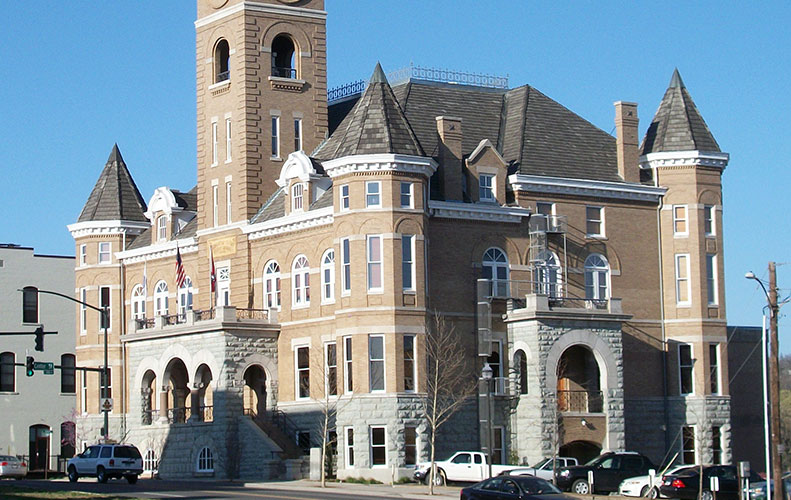
Washington_County_Courthouse_Arkansas

Steps to Consider if You Suspect Medical Negligence

If you believe medical negligence caused serious injury, several steps may help protect your rights.
 
  1. Seek additional medical care if necessary
  2. Request copies of your medical records
  3. Document symptoms and medical complications
  4. Keep records of treatment expenses
  5. Avoid signing insurance settlement agreements without legal advice
  6. Consider consulting an attorney to review the circumstances
These actions may help clarify whether negligence may have occurred.

Speak With a Medical Malpractice Lawyer in Springdale, Ar

Individuals who believe they were harmed due to medical negligence may wish to speak with an attorney to evaluate their situation.
 
MGW Law Partners represents injury victims throughout Northwest Arkansas including Springdale, Fayetteville, Rogers, Bentonville, and surrounding communities.

Springdale Medical Malpractice FAQs

What qualifies as medical malpractice in Arkansas?

Medical malpractice occurs when a healthcare provider fails to follow accepted medical standards and causes injury to a patient.

How long do I have to file a malpractice claim?

Arkansas law generally provides two years from the date of the injury.

Do malpractice cases require expert witnesses?

Most malpractice claims require expert medical testimony.

Can hospitals be sued for medical malpractice?

Hospitals may be liable if negligent staff members or unsafe procedures contributed to the injury.

What damages may be available?

Damages may include medical expenses, lost wages, and compensation for pain and suffering.

Are surgical complications always malpractice?

Not all complications qualify as malpractice, but negligence during surgery may create liability.

Can nurses be responsible for malpractice?

In some situations nurses may be liable if they violate accepted standards of care.

What evidence is used in malpractice cases?

Evidence often includes medical records, expert testimony, and documentation of injuries.

How long do malpractice cases usually take?

The timeline varies depending on the complexity of the case and legal proceedings.

When should I contact a lawyer?

If you suspect medical negligence caused serious injury, consulting an attorney may help clarify your legal options.

The owner of this website has made a commitment to accessibility and inclusion, please report any problems that you encounter using the contact form on this website. This site uses the WP ADA Compliance Check plugin to enhance accessibility.