
Medical Malpractice Lawyer Fort Smith, AR
Hire the best Medical Malpractice Lawyer in Fort Smith, AR.
SERVICE
Medical Malpractice Lawyer Fort Smith, Arkansas
PRACTICE AREAS
What Does a Fort Smith Medical Malpractice Lawyer Do?
A medical malpractice lawyer in Fort Smith represents individuals who were injured due to negligent medical treatment. These attorneys investigate the circumstances surrounding medical errors, review medical records, consult medical experts when appropriate, and determine whether healthcare providers failed to follow accepted standards of care.
If negligence is identified, a malpractice claim may seek compensation for damages such as medical expenses, lost wages, and pain and suffering.





Important Facts About Arkansas Medical Malpractice Claims
Medical malpractice is a form of professional negligence involving healthcare providers.
Arkansas law generally requires malpractice lawsuits to be filed within two years of the injury.
Expert medical testimony is often required to establish whether negligence occurred.
Hospitals, physicians, nurses, and other medical professionals may potentially be liable.
Compensation may include economic and non-economic damages depending on the circumstances.

What Is Considered Medical Malpractice?
• improper surgical technique
• incorrect medication dosage
• delayed treatment of a medical emergency
• inadequate monitoring of a patient’s condition
Common Categories of Medical Malpractice
Diagnostic Errors
• stroke
• heart attack
• infections
• internal bleeding
Surgical Negligence
• performing the wrong procedure
• operating on the wrong body part
• leaving instruments inside the patient
Medication-Related Errors
• dosage mistakes
• dangerous drug interactions
• failure to review patient allergies
Birth Injury Claims
• failure to monitor fetal distress
• oxygen deprivation during labor
• improper use of delivery instruments
Anesthesia Errors
• failing to monitor vital signs
• equipment misuse or malfunction
Signs That Medical Negligence May Have Occurred
- symptoms repeatedly dismissed without testing
- complications following routine procedures
- medication mistakes or allergic reactions
- delayed diagnosis of a serious illness
- worsening condition after medical treatment
- surgical injuries that were not disclosed beforehand
- lack of follow-up care or monitoring
- unexplained deterioration during hospitalization

How Malpractice Claims Are Proven
Medical malpractice cases require establishing several legal elements.
These elements include:
Doctor–Patient Relationship
Breach of the Standard
Standard of Care
Causation
The negligent act must have directly caused the patient’s injury.
Compensation Available in Malpractice Claims
Potential damages may include:
-
Medical expenses
-
Ongoing medical treatment
-
Lost wages
-
Loss of earning capacity
-
Pain and suffering
-
Permanent disability
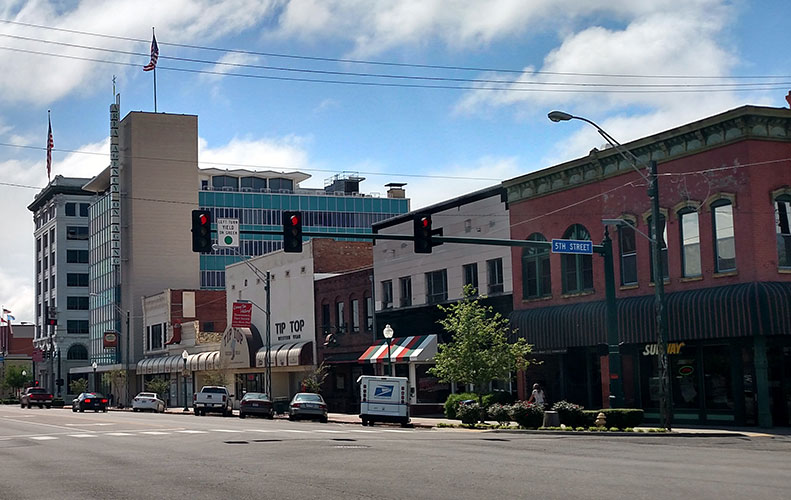
Healthcare Services in Fort Smith and Sebastian County
Fort Smith is one of the largest cities in western Arkansas and serves as a major regional center for healthcare in Sebastian County and surrounding areas.
Residents of Fort Smith receive care from several regional medical facilities, including:
• Barling
• Fort Smith
• Greenwood
• surrounding areas of Sebastian County and Crawford County
• Van Buren
Steps to Take After a Suspected Medical Error
- Seek medical care from another provider if necessary
- Request copies of your medical records
- Document symptoms and treatment history
- Keep records of medical expenses
- Avoid signing settlement agreements without legal advice
- Consider speaking with an attorney to review the circumstances
Speak With a Medical Malpractice Lawyer in Fort Smith
Fort Smith Medical Malpractice FAQs
What qualifies as medical malpractice in Arkansas?
Medical malpractice occurs when a healthcare provider fails to follow accepted medical standards and causes injury to a patient.
How long do I have to file a malpractice lawsuit?
Arkansas law generally requires malpractice claims to be filed within two years from the date of the injury.
Do medical malpractice cases require expert witnesses?
Most medical malpractice claims require testimony from qualified medical experts.
Can hospitals be held responsible for malpractice?
Hospitals may be liable if negligent staff members or unsafe procedures contributed to a patient’s injury.
What damages may be available in a malpractice claim?
Damages may include medical expenses, lost wages, and compensation for pain and suffering.
Are surgical complications always malpractice?
Not all surgical complications qualify as malpractice, but negligence during surgery may create liability.
Can nurses be responsible for malpractice?
Nurses may be liable in certain circumstances if they violate accepted standards of care.
What evidence is used in malpractice cases?
Evidence typically includes medical records, expert testimony, and documentation of injuries.
How long do malpractice cases take?
The timeline varies depending on the complexity of the case and legal proceedings.
When should I contact a lawyer?
If you suspect medical negligence caused serious injury, consulting an attorney may help clarify your legal options.
Serving Northwest Arkansas and Clients Throughout Arkansas
MGW Law Partners represents clients across Northwest Arkansas and throughout the state of Arkansas. Our Fayetteville office is centrally located to serve individuals, families, and businesses across the region efficiently.
Areas We Commonly Serve
- Fayetteville, AR — Washington County — Firm Headquarters · 3729 N. Crossover Suite #111
- Springdale, AR — Washington & Benton Counties
- Rogers, AR — Benton County
- Bentonville, AR — Benton County Seat
- Bella Vista, AR — Benton County
- Fort Smith, AR — Sebastian & Crawford Counties
Whether you need a personal injury lawyer in Springdale, a car accident attorney in Arkansas, or a medical malpractice lawyer in Springdale, MGW Law Partners is prepared to help.
Statewide Arkansas Representation
For select matters including Family law, Divorce & Child Custody, wills and estate planning, and construction litigation, Landlord Services, MGW Law Partners represents clients throughout the entire state of Arkansas.
PRACTICE AREAS
OUR ATTORNEYS